AI & Industrial Automation: The Convergence of Machine Intelligence & Robotics
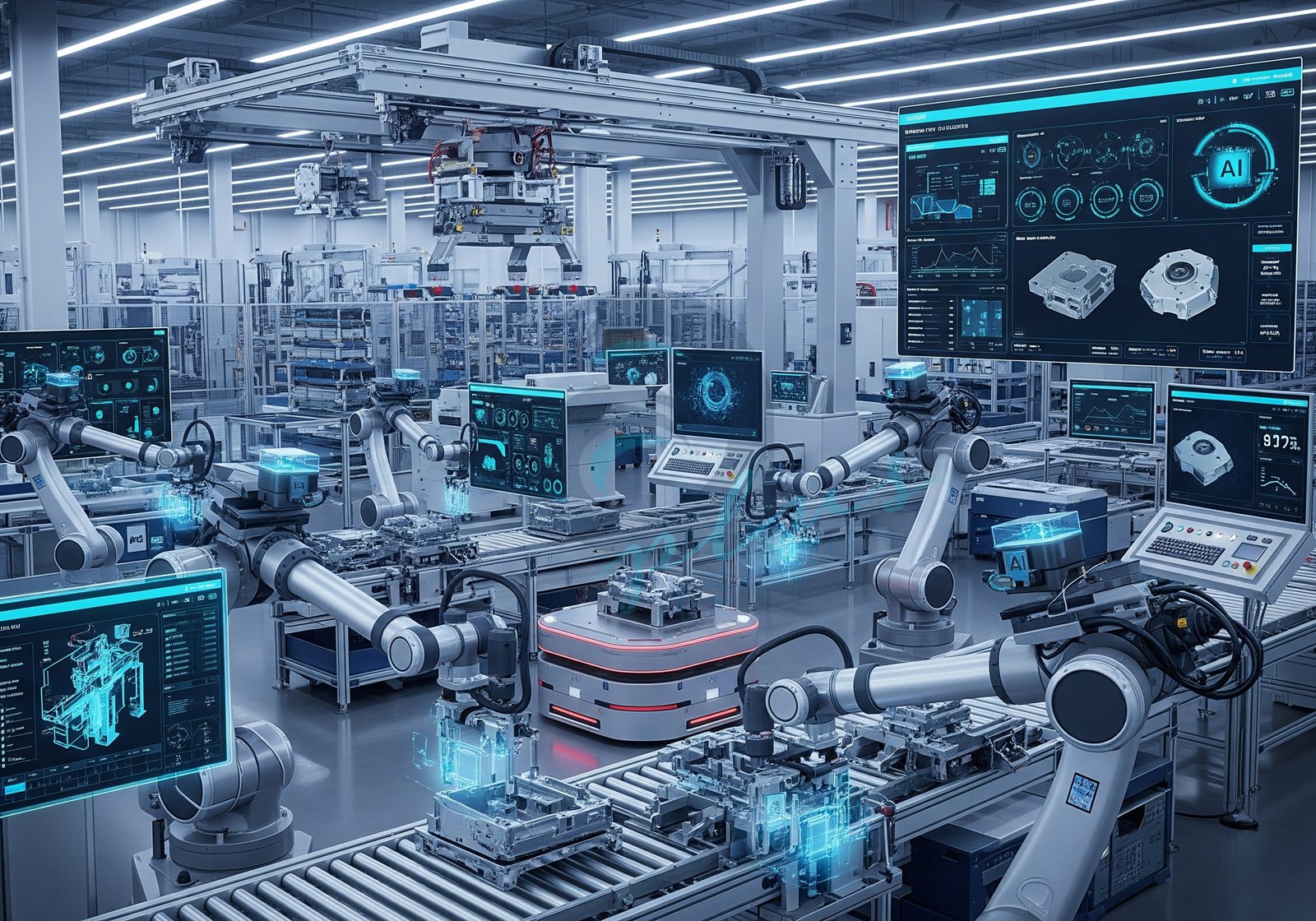
- Transitioning from rigid rule-based automation to adaptive, cognitive robotic control systems.
- Sub-millimeter visual inspection utilizing deep convolutional neural networks at production speeds.
- Dynamic throughput self-balancing that eliminates line starvations and micro-stoppages.
- Safe collaborative robotics (Cobots) working shoulder-to-shoulder with human operators.
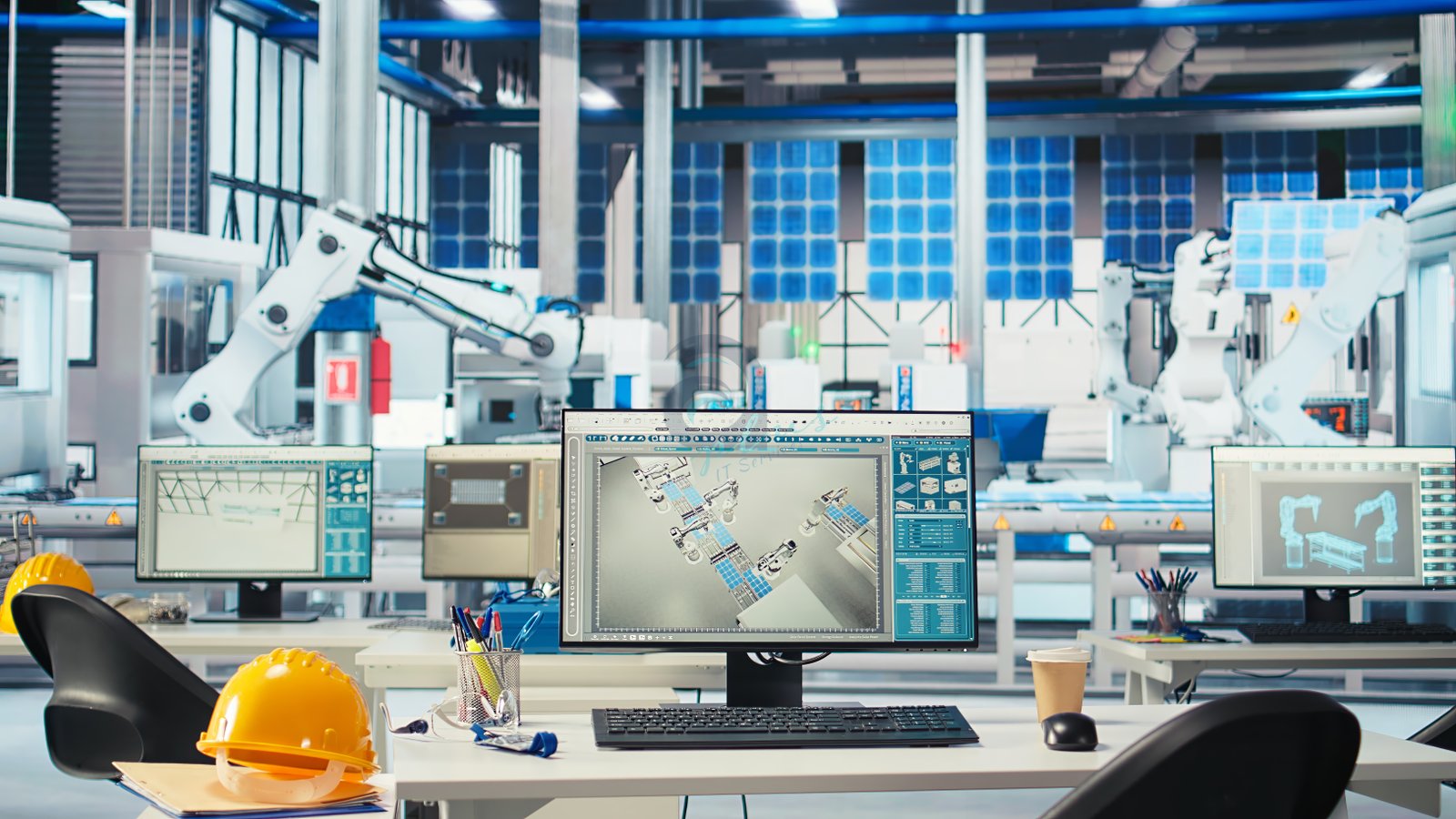
Industrial automation historically excelled at executing repetitive, deterministic motions with high speed and precision. However, when incoming raw materials exhibited slight dimensional variances, when lighting conditions shifted, or when an unoriented part appeared on a conveyor, conventional blind automation routines faulted and demanded human intervention.
The convergence of Artificial Intelligence & Industrial Automation fundamentally changes this landscape. At Aplus Technology, our Artificial Intelligence (AI & ML) and Industrial Automation & Smart Devices practices integrate machine learning, computer vision, and high-speed robotic actuators to build autonomous factories that adapt, learn, and self-optimize in real time.
1. From Blind Motors to Cognitive Robotics
Cognitive robotics integrates multi-modal sensory perception directly into the robot's motion planning loop. Rather than following rigid XYZ coordinates, the robotic arm "sees" its target, understands spatial orientation in 3D, and adjusts its grip trajectory on the fly:
AI Machine Vision
High-speed visual defect detection identifying microscopic micro-cracks, incomplete welds, and paint imperfections in under 10 milliseconds.
Random Bin Picking
3D point-cloud neural networks enabling robots to pick unorganized, overlapping components from deep totes without human staging.
Low-Latency Edge AI
Inference models deployed on ruggedized edge computers via our Edge Computing Integration, ensuring real-time control without cloud latency.
2. Reinforcement Learning in Factory Process Optimization
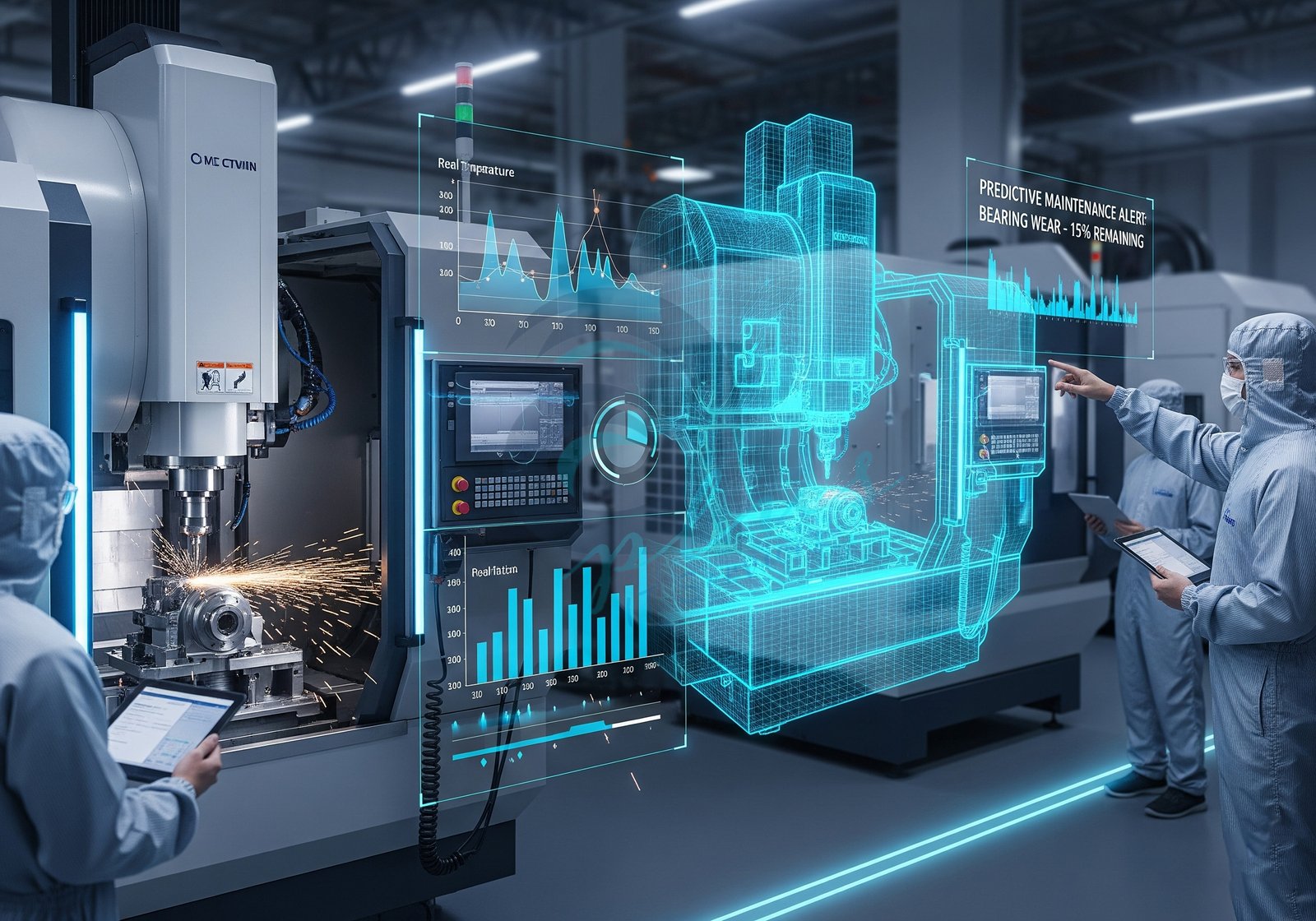
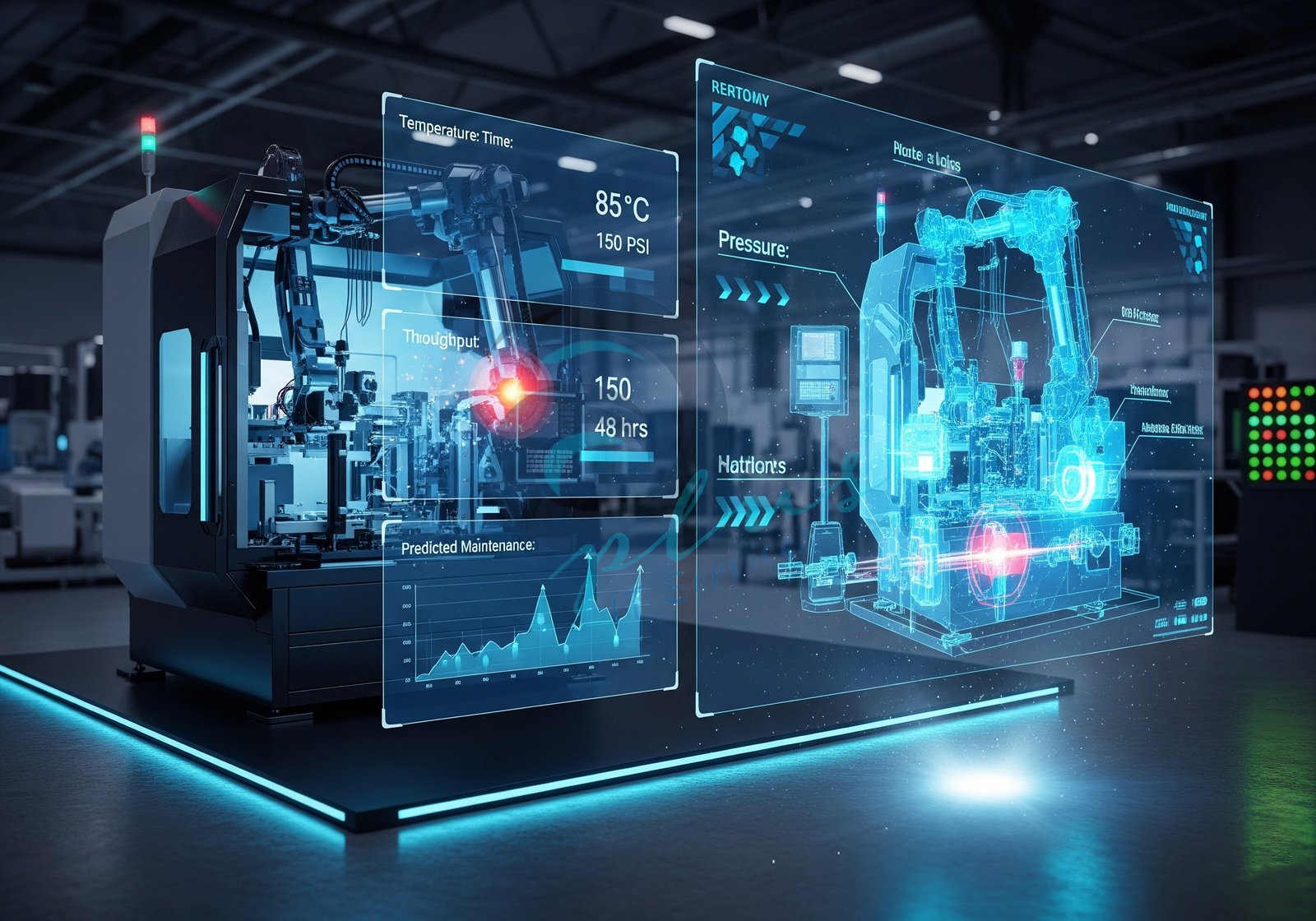
Beyond individual robotic arms, artificial intelligence orchestrates entire manufacturing environments. By feeding operational telemetry into our Predictive Analytics models, AI systems optimize complex multi-variable parameters—such as kiln temperatures, chemical injection ratios, and conveyor feed rates—in real time.
Furthermore, in tandem with our Digital Twin for Manufacturing, AI algorithms test thousands of production schedule permutations in simulation, identifying the optimal sequence that minimizes changeover downtime and energy consumption.
"When you give an industrial robot eyes and an adaptive neural brain, you elevate it from an expensive mechanical repetitive tool into an intelligent, autonomous partner on the factory floor."
— Head of Robotics & AI, Aplus Technology3. Measurable Financial & Operational Returns
Industrial clients partnering with Aplus Technology for AI automation report profound business outcomes:
- Scrap & Rework Reduction: Reduced by up to 55% through early in-line defect detection.
- Line Throughput: Increased by 25-40% through continuous self-balancing of line speeds.
- Worker Safety: Elimination of severe repetitive strain injuries (RSI) and machine entrapment hazards.
Pioneer Cognitive AI Automation in Your Plant
Consult with Aplus Technology's robotics and machine learning engineers in Bengaluru and Vienna to build a proof-of-concept AI inspection or robotic guidance cell.
4. Turnkey Engineering from Bengaluru to Vienna
Aplus Technology provides full-lifecycle engineering—from PLC firmware and robotic gripper design to edge GPU deployment and enterprise cloud dashboards. With engineering offices in Bengaluru, India and Vienna, Austria, we partner with manufacturers worldwide to turn Industry 4.0 vision into operational reality.