
IoT-Enabled Digital Twins
Leverage Aplus Technology’s IoT-Enabled Digital Twinsfor real-time monitoring, predictive simulations, maintenance, and data-driven optimizationto boost efficiency and innovation.
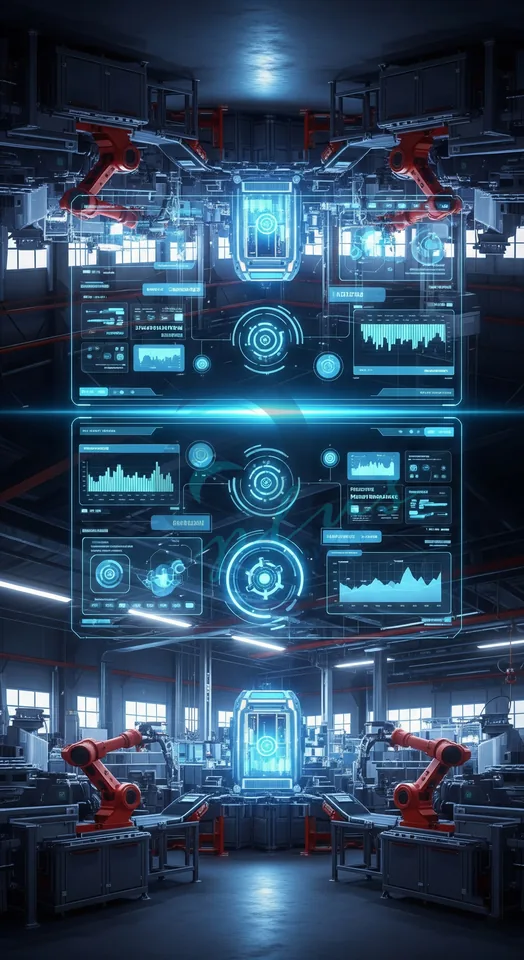
What We Do:We create digital replicas of physical assets, processes, and systems using IoT technology, allowing real-time monitoring, simulation, and predictive insights.
How We Do It:By integrating IoT sensors, edge devices, and cloud platforms, we collect real-time data and feed it into dynamic digital twin models to optimize decision-making.
Real-Time Insights:Our solutions provide continuous data visualization and analytics to track performance, detect anomalies, and forecast operational trends.
Simulation & Predictive Analysis:Run “what-if” scenarios, simulate potential outcomes, and predict maintenance needs to reduce unplanned downtime and improve productivity.
Integration:Seamlessly connect digital twin models with existing enterprise systems, dashboards, and reporting tools for actionable insights and operational efficiency.
Scalability & Security:Designed for industrial-scale deployment with encrypted data transmission and secure connectivity to protect critical operations.
Sub-Second Sensor-to-Twin State Synchronization: Stream live MQTT, WebSocket, and CoAP telemetry from field sensors directly into digital twin state graphs so virtual assets mirror physical reality instantly.
Contextual 3D Spatial & GIS Telemetry Overlays: Click any valve, pump, conveyor, or building room inside a 3D or GIS map to inspect live pressure, temperature, vibration, and historical maintenance logs.
Bi-Directional Remote Actuation & Setpoint Control: Issue secure downlink commands from the digital twin interface back to field actuators, relays, and PLCs with multi-step operator confirmation and audit logs.
Historical Time-Travel & Incident Replay: Scrub backward through synchronized sensor timelines to replay exact system conditions leading up to an equipment trip, pressure drop, or environmental alert.
Visualize real-time vacuum line pressures, collection chamber levels, and valve open/close states across sprawling municipal networks.
Map hundreds of wireless temperature, airflow, and power sensors onto 3D floor plans to eliminate server rack hotspots and optimize HVAC chillers.
Monitor solar inverter strings, battery storage state-of-charge, and grid load balancing across geographically dispersed energy sites.