Advanced Vacuum Sewage Systems: Optimizing Urban Infrastructure with IoT & LoRaWAN
- Overcoming high groundwater tables and rocky terrain where traditional gravity sewers prove prohibitively expensive.
- Utilizing low-power wireless LoRaWAN sensors for real-time vacuum chamber status and negative pressure tracking.
- Deploying automated fault localization that pinpoints valve blockages in minutes rather than days.
- Integration with city-scale Digital Twins for predictive sewer network maintenance and flood prevention.
Rapid urban migration and climate volatility place immense pressure on municipal infrastructure. Conventional gravity sewer networks require continuous slope gradients, extensive deep trench excavation, and costly pump lifting stations. In waterfront developments, historic districts, and areas with flat terrain or rocky soil, installing traditional gravity networks is economically and environmentally prohibitive.
This is where Advanced Vacuum Sewage Systems combined with intelligent IoT Solutions provide a transformative alternative. By leveraging differential air pressure inside sealed, small-diameter piping networks, vacuum sewer systems transport wastewater efficiently with minimal water usage and zero subterranean leakage.
1. How Vacuum Sewage Networks Function
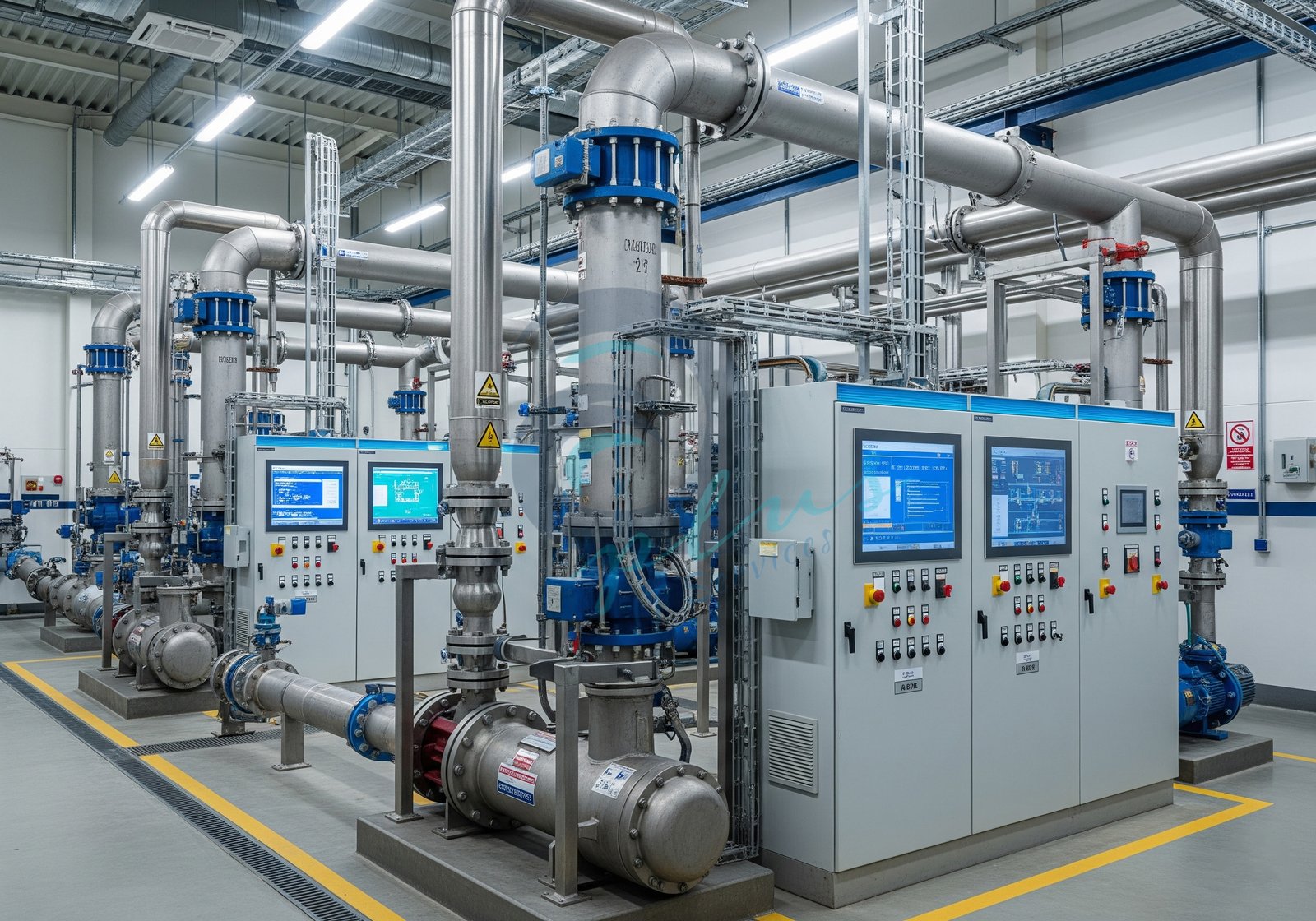
Unlike gravity lines that depend entirely on downward physical slope, vacuum sanitation systems operate under continuous negative pressure (-0.5 to -0.7 bar) generated at a centralized vacuum station:
Wastewater from residences, commercial complexes, or industrial sites flows by gravity into underground collection pits. Once a predetermined fluid volume accumulates, a pneumatic controller opens the vacuum interface valve without requiring external electrical cabling at the pit. Atmospheric air rushes behind the liquid slug, propelling wastewater through shallow-depth polyethylene pipes directly to the central vacuum collection vessel.
Zero Exfiltration Risk
Because the network operates under negative pressure, any pipe fracture draws air inward rather than leaking contaminated effluent into groundwater.
Shallow Trenching Cost Savings
Small-bore flexible pipes follow natural ground topography and weave around existing utility lines, reducing civil digging costs by up to 60%.
Water Conservation
Vacuum fixtures require only 0.8 to 1.2 liters per flush compared to 6-9 liters in conventional systems, conserving vast volumes of potable water.
2. The IoT Telemetry Layer: LoRaWAN & ChirpStack Integration
While mechanical vacuum systems are inherently robust, municipal operators historically struggled with "valve hang-ups"—instances where foreign debris wedged an interface valve open, causing localized vacuum loss that took field crews hours of manual street-by-street acoustic tracing to find.
Aplus Technology solves this with specialized long-range IoT monitoring. By integrating battery-powered sensors utilizing LoRaWAN Development Services managed via an enterprise ChirpStack Network Server or NB-IoT telemetry, every collection sump reports:
- Valve Cycle Count & Actuation Duration: Instant alerts if a valve remains open longer than 6 seconds.
- Sump Liquid Level Sensing: Ultrasonic and hydrostatic sensors indicating rising wastewater levels before backups occur.
- Localized Line Vacuum Differential: Continuous pressure telemetry mapping vacuum gradients across kilometers of network piping.
"Integrating IoT sensor networks with vacuum sewage turns what was once an opaque subterranean pipeline into a transparent, self-diagnosing smart municipal utility."
— Aplus Technology Smart Infrastructure Architect3. City-Scale Digital Twins for Municipal Wastewater
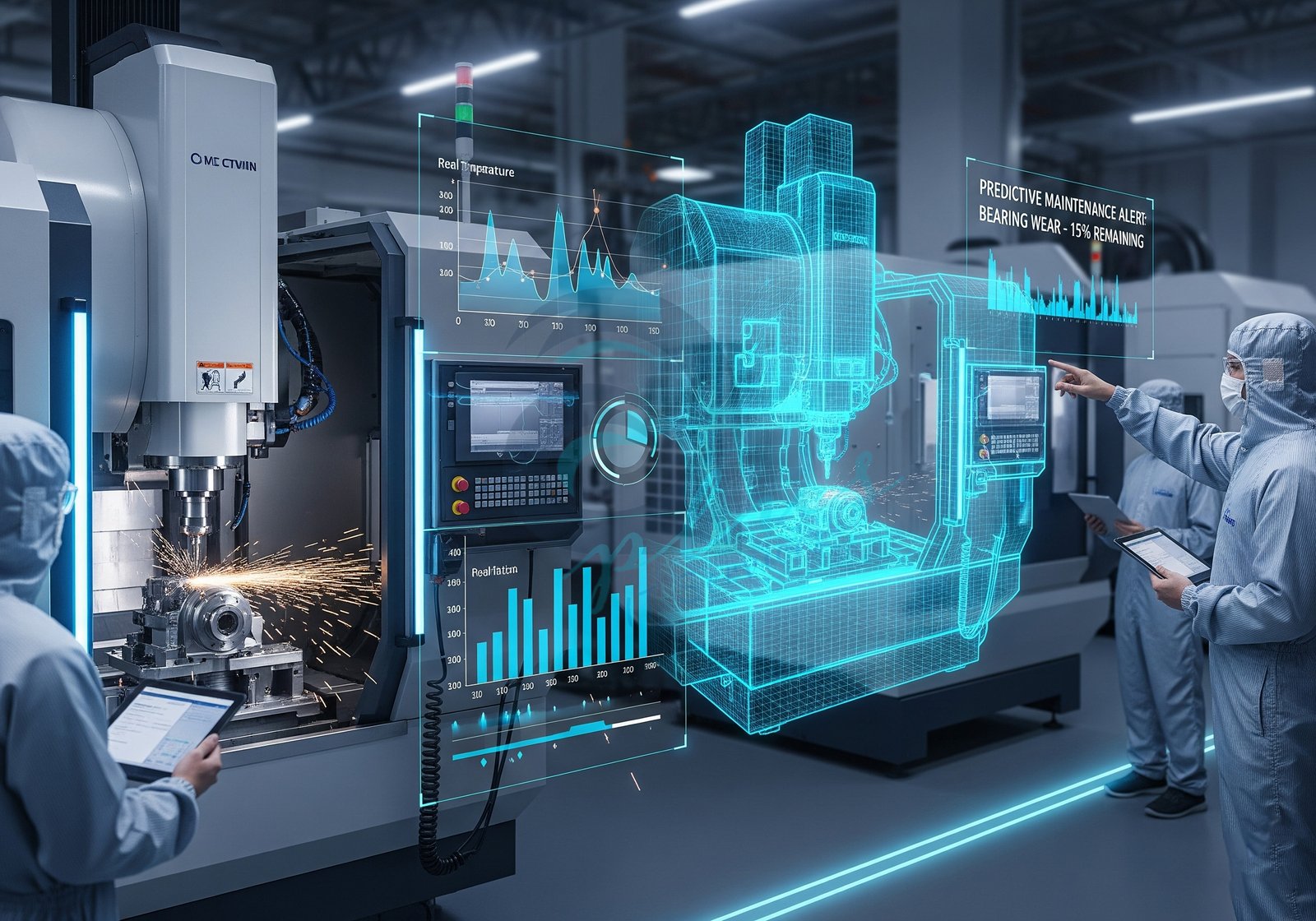
Through our Digital Twin for Smart Cities, municipal authorities and utility operators visualize the entire underground vacuum network in real-time 3D. Hydraulic simulation models calculate pipeline air velocities, identify potential sludge sedimentation bottlenecks, and optimize vacuum pump cycling to minimize electricity expenditure during off-peak night hours.
Pioneering Smart City Water & Waste Infrastructure
Partner with Aplus Technology's IoT and municipal telemetry engineers to design, deploy, and monitor scalable vacuum sewage and water telemetry systems.
4. Driving Sustainable Urban Infrastructure
As cities expand toward net-zero environmental targets, smart vacuum sewer networks deliver unmatched sustainability credentials. With deep experience across India and Europe, Aplus Technology combines sensor hardware design, long-range wireless networks, and central analytics dashboards into reliable solutions trusted by municipalities and environmental developers.